
How to Install Tire Chains Safely and Correctly
Learn how to install tire chains on cars, trucks, SUVs, tractors, ATVs, garden tractors, dual-wheel vehicles, and off-road equipment. This guide covers basic installation steps, chain-type tips, tightening instructions, troubleshooting, and installation videos for the most common tire chain styles.
Tire Chain Installation Overview
Correct tire chain installation is important for traction, safety, and chain life. A tire chain that is twisted, loose, installed backwards, or not centered on the tire can damage the chain, the tire, or the vehicle. The instructions below apply to many common tire chain styles, but you should always follow your vehicle owner’s manual and the instructions for your exact chain style.
Check Vehicle ClearanceLook behind the tire and around the suspension, brake lines, fenders, and body panels. Some vehicles have limited chain clearance and may require lower-profile chains or cables. |
Practice Before the StormInstall the chains once in dry weather before you need them. Practicing ahead of time makes roadside installation much easier during snow, ice, mud, or bad weather. |
Park SafelyUse a level surface whenever possible. Set the parking brake, keep clear of traffic, and never place yourself under or behind a vehicle that could move. |
Important Safety Notes
- Drive slowly with tire chains installed. Many tire chains are intended for speeds up to about 30 mph unless the vehicle or chain manufacturer says otherwise.
- Stop after driving 50 to 100 feet and re-tighten the chains. Chains often settle into place after the first short drive.
- Remove chains when they are no longer needed. Driving on bare pavement can wear chains quickly and may damage the road surface, driveway, or vehicle.
- V-bar and studded chains provide strong bite on ice and hard-packed snow, but they can mark or damage concrete, blacktop, garage floors, and other hard surfaces.
- If the chain hits the vehicle, stop immediately and correct the fit before continuing.
Step-by-Step Tire Chain Installation
These basic steps apply to many ladder-style tire chains and are useful for understanding how tire chains should sit on the tire.
1. Lay the Chains Out Flat
Spread the tire chains out on the ground and remove twists. Make sure the cross chains are straight and the side chains are not tangled.
2. Check the Direction of the Cross Chains
Hooks, sharp edges, V-bars, or studs should face away from the tire. The smooth side should face the tire to reduce tire damage.
3. Drape the Chain Over the Tire
Center the chain over the tire tread. The same amount of side chain should hang down on the inside and outside sidewalls.
4. Connect the Inside Fastener
Reach behind the tire and connect the inside side chain first. Make the connection as tight as practical without forcing the chain out of center.
5. Connect the Outside Fastener
Connect the outside side chain. If your chains have cams, tighten the cams evenly. If your chains use rubber tensioners, install the tensioner evenly around the outside of the chain.
6. Drive Forward and Re-Tighten
Drive 50 to 100 feet, stop safely, and tighten the chains again. This final adjustment helps prevent chain slap, loose cross chains, and premature wear.
Jump to Installation Type
Choose the chain style or tool that most closely matches your tire chains. Different tire chains install differently, especially diamond chains, cable chains, tractor chains, and dual-wheel accessories.
Tire Chain Installation Videos
Watch the video that matches your tire chain style before installation. These videos show common installation methods for cable chains, ladder chains, diamond chains, tractor chains, ATV chains, garden tractor chains, and repair tools.

Self-Tensioning Diamond Tire Chain InstallationBest for self-tightening diamond-pattern passenger vehicle and light truck chains. Watch video |
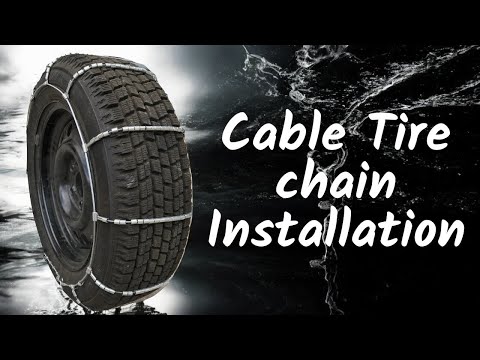
Car Cable Tire Chain InstallationFor low-profile cable chains commonly used on passenger cars and vehicles with limited clearance. Watch video |
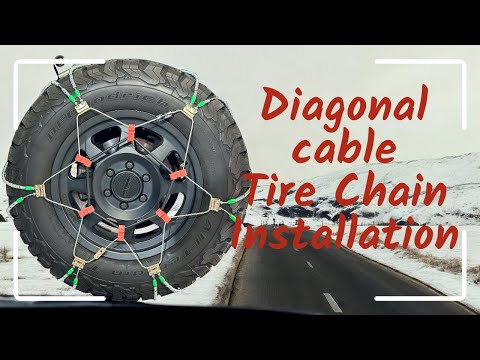
Diagonal Cable Tire Chain InstallationFor diagonal-pattern cable chains where the cable layout differs from standard ladder chains. Watch video |
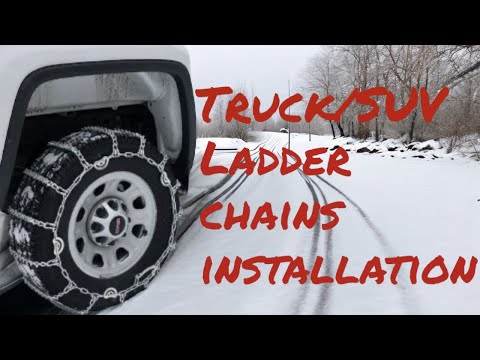
Truck/SUV Ladder Tire Chain InstallationFor standard ladder-style truck chains, including 2-link, 4-link, twist-link, V-bar, and studded chains. Watch video |

Tractor Ladder Tire Chain InstallationFor farm tractor and equipment ladder chains used in snow, mud, hills, and off-road conditions. Watch video |

Diamond Studded / Non-Studded Tire Chain InstallationFor diamond-pattern chains, including studded and non-studded styles. Watch video |

ATV/Garden Tractor Diamond Chain InstallationFor smaller diamond-pattern chains used on ATVs, UTVs, lawn tractors, and garden tractors. Watch video |

European Net Tire Chain InstallationFor European-style net chains that provide consistent chain coverage across the tire tread. Watch video |

ATV/Garden Tractor Ladder Chain InstallationFor ladder-style chains used on ATVs, UTVs, lawn tractors, and garden tractors. Watch video |
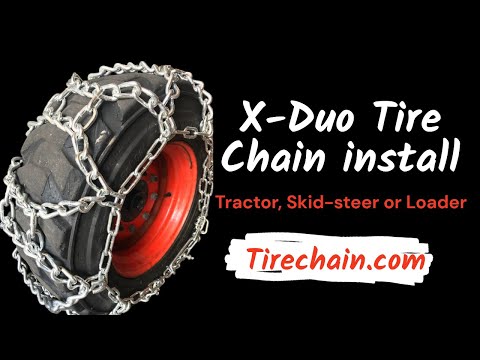
X-Duo Tractor Tire Chain InstallationFor X-Duo tractor chains designed for more chain contact and improved traction on tractor tires. Watch video |
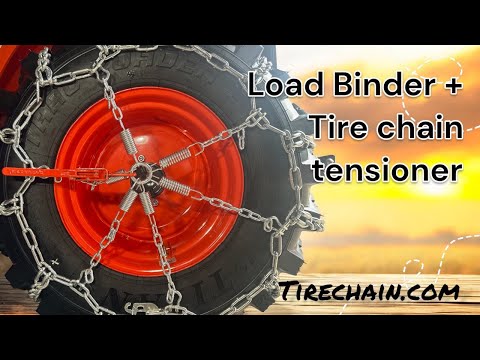
Load Binder + Tractor Tensioner InstallationShows how to use a load binder and tractor chain tensioner to tighten larger tractor chains. Watch video |
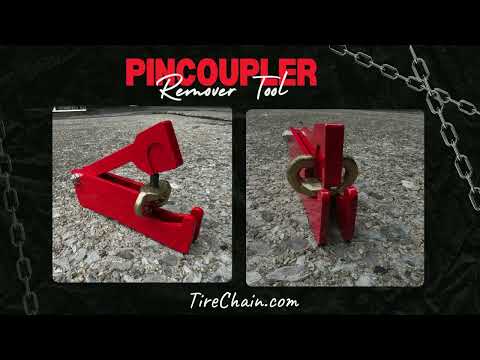
Pin Coupler Repair ToolFor chain repair and adjustment using a pin coupler repair tool. Watch video |
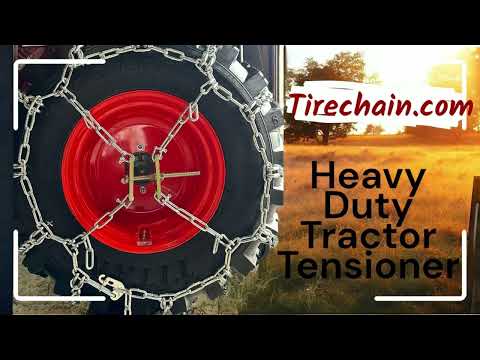
X-Type Tractor Tensioner InstallationFor installing X-style outside tensioners on tractor tire chains. Watch video |
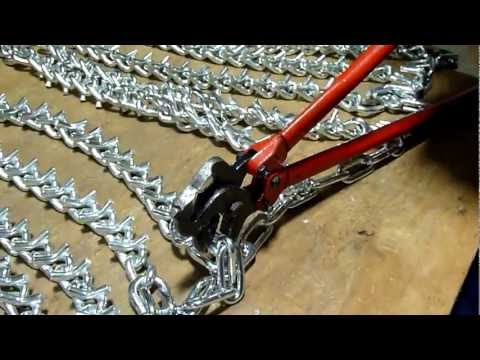
Too Long? Tire Chain Length AdjustmentShows how to shorten or adjust tire chains when the chain is longer than needed. Watch video |
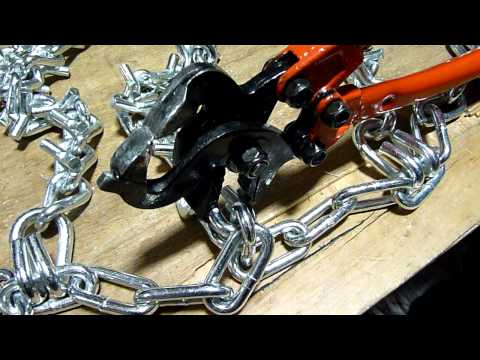
Large Plier ToolFor chain repair, cross chain work, and working with larger tire chain hooks or links. Watch video |

Team O'Neill Diamond Chain InstallationAdditional diamond chain installation example for visual reference. Watch video |
Tire Chain Type Installation Tips
Ladder Tire ChainsLadder chains are common on trucks, SUVs, tractors, ATVs, and garden tractors. Lay them straight, center them over the tire, fasten the inside first, then the outside, and re-tighten after a short drive. |
Diamond Tire ChainsDiamond chains wrap differently than ladder chains and usually install around the tire with a cable, hoop, or connection system. Watch the matching diamond chain video before installing. |
Cable Tire ChainsCable chains are lower profile and often used on passenger cars or vehicles with limited clearance. They must be centered carefully and tightened evenly. |
V-Bar and Studded ChainsV-bar and studded chains should face outward, away from the tire. They are aggressive for ice and hard-packed snow but can mark concrete, blacktop, garage floors, and paved surfaces. |
Tractor and Off-Road ChainsTractor chains may require more adjustment because of deep lugs and larger tire profiles. Larger chains may also use separate tensioners or load-binder style tools. |
Dual Wheel ChainsDual or triple tire chains are used on dual-wheel trucks and equipment. Make sure the chain is properly centered across the full tire set and tightened evenly on both sides. |
Troubleshooting Tire Chain Fit
Chains Are Too LooseRe-check the inside and outside connections. Use cams or tensioners if the chain style requires them. Drive 50 to 100 feet and tighten again. |
Chains Hit the VehicleStop immediately. The chain may be off-center, too loose, incorrectly sized, or not suitable for the vehicle’s clearance. |
Chains Look Too LongSome ladder chains can be shortened or adjusted. See the tire chain length adjustment video above for help. |
Chains Do Not Reach the FastenerConfirm the tire size on the tire sidewall and compare it to the product fitment. Aggressive tread, deep lugs, and Load Range E tires may require different fitment. |
Tire Chain Installation FAQ
Do tire chains go on the front or rear tires?
Install tire chains on the drive tires unless your vehicle owner’s manual says otherwise. Front-wheel-drive vehicles usually use chains on the front tires. Rear-wheel-drive vehicles usually use chains on the rear tires. Four-wheel-drive and all-wheel-drive vehicles should follow the vehicle manufacturer’s instructions.
How tight should tire chains be?
Tire chains should be snug against the tire with minimal loose chain. They should not slap the body, suspension, brake lines, or fenders. Always re-tighten after driving 50 to 100 feet.
Can I drive on pavement with tire chains?
Drive on pavement only when necessary and at low speed. Bare pavement wears chains quickly and aggressive styles such as V-bar or studded chains can damage blacktop, concrete, garage floors, and other hard surfaces.
What speed can I drive with tire chains?
Many tire chains are intended for slow-speed use, commonly around 30 mph or less unless otherwise specified. Drive slower in rough conditions and stop immediately if you hear chain contact with the vehicle.
Why do I need to re-tighten tire chains?
Tire chains settle into position after the vehicle moves. Re-tightening after the first short drive helps keep the chains centered and reduces chain slap, wear, and fit problems.
Are V-bar or studded chains better for ice?
Studded chains are typically the most aggressive choice for ice. V-bar chains are also aggressive and are a strong choice for hard-packed snow and icy conditions, but both styles can damage paved surfaces.
Should the hooks face toward the tire or away from the tire?
The smooth side of the cross chain should face the tire. Hooks, sharp edges, V-bars, or studs should face outward, away from the tire.
Do I need rubber tensioners?
Some chain styles require a rubber tensioner or adjuster, while other chains use cams, self-tightening systems, or built-in tensioners. Use the tensioning method recommended for your specific chain style.
Need Help Choosing the Correct Tire Chains?
Tire chain fit depends on tire size, vehicle type, clearance, tread style, and use conditions. If you are unsure which chains fit your tires, contact TireChain.com before ordering.
Contact Us