
Truck tire chains

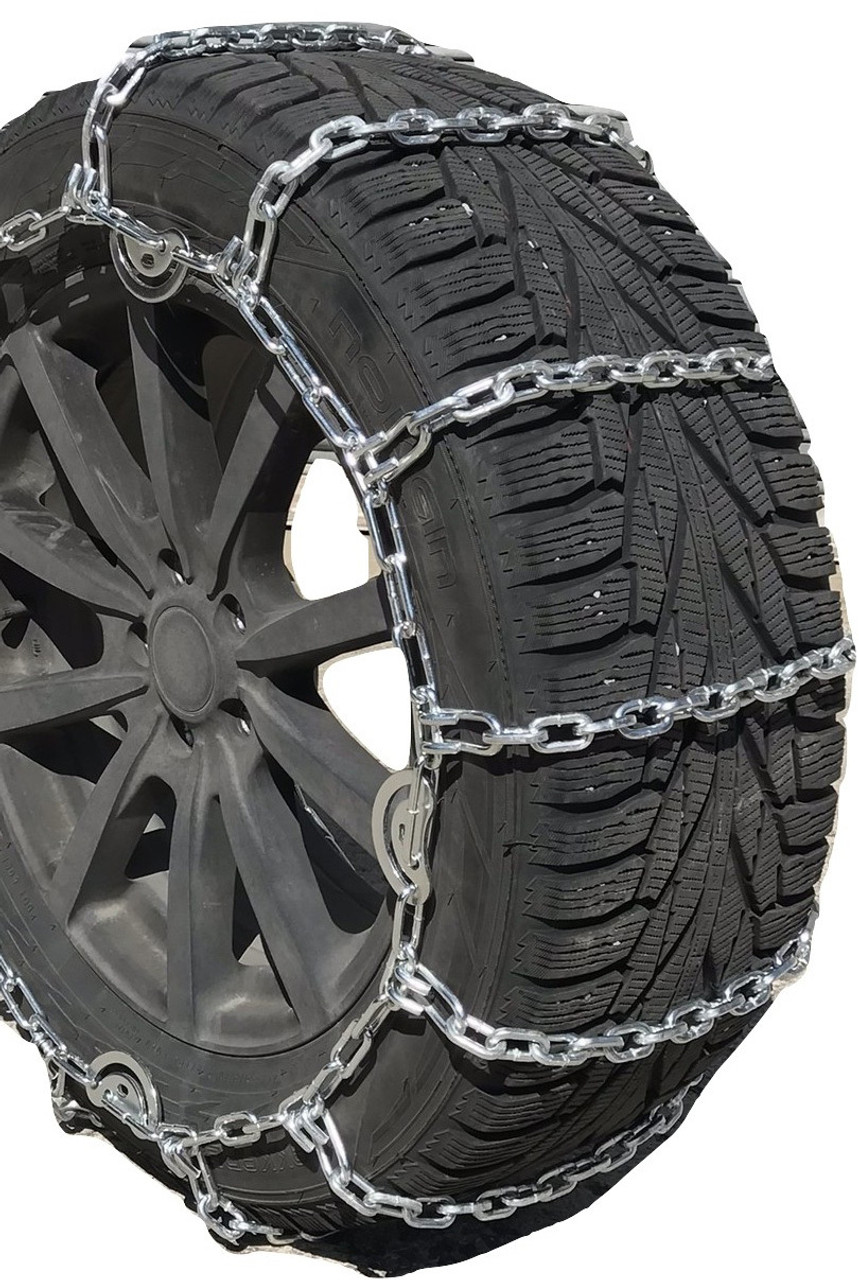 Alloy Square Straight Link Tire Chains
- Square Link
- 5.5mm, 7mm
- Cams, No Cams
- NACM, Boron Alloy
 Twisted Link Tire Chains
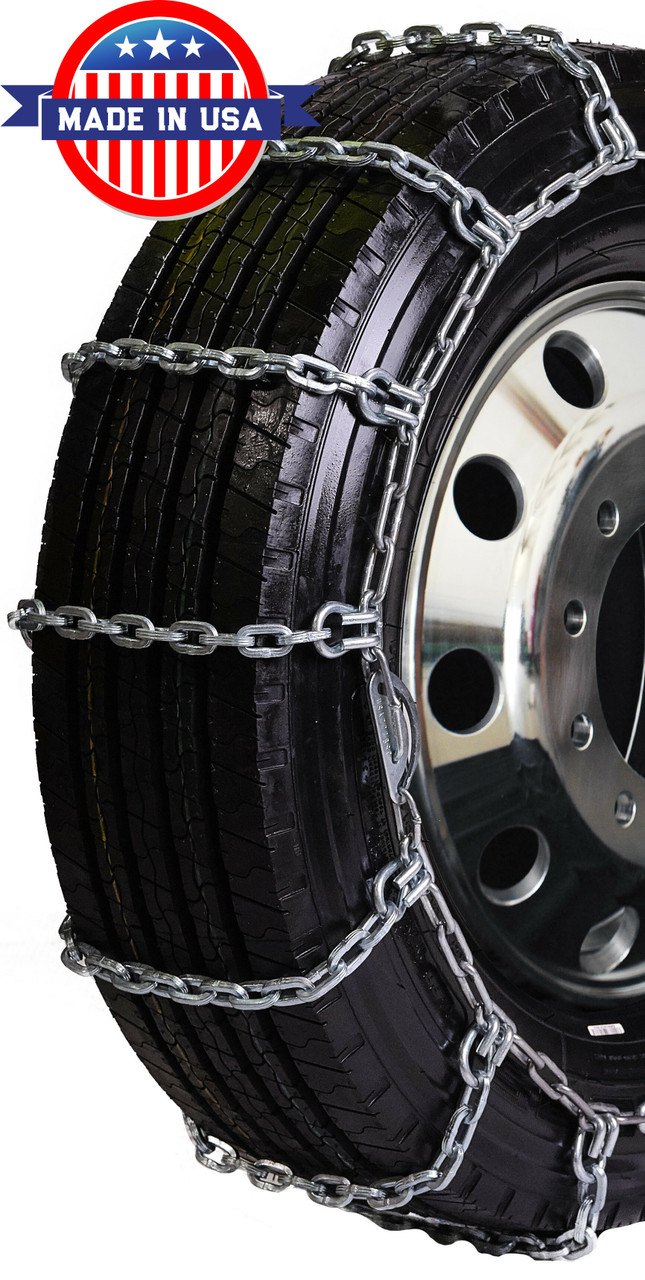 Made in USA Pewag Tire Chains
- Made in USA
- Square Link
- Includes Cams
- 5.6mm, 7mm
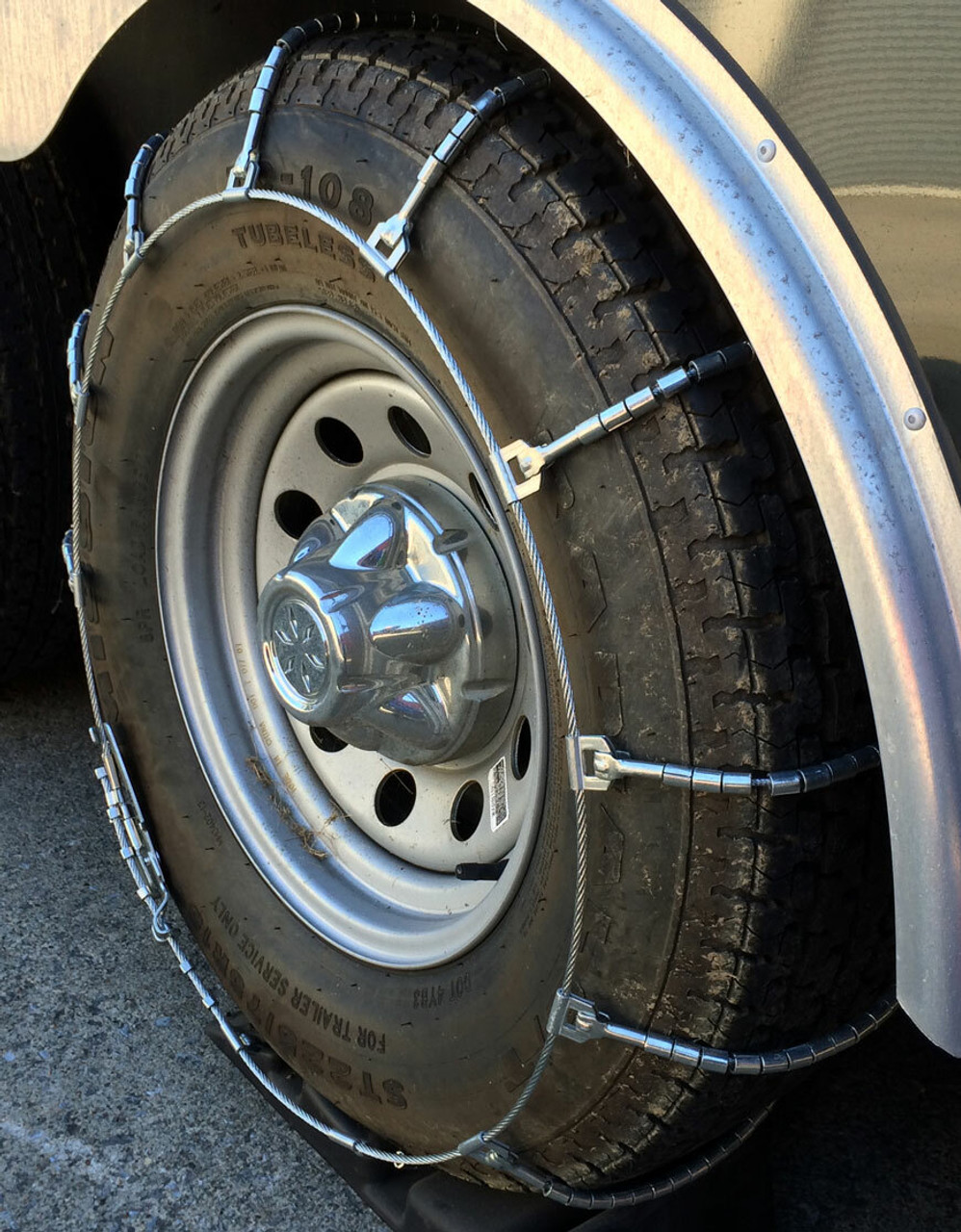 Cable Tire Chains
- Steel Rollers or
- Spring Rollers
- Ladder or Diagonal
- 8mm, 10mm
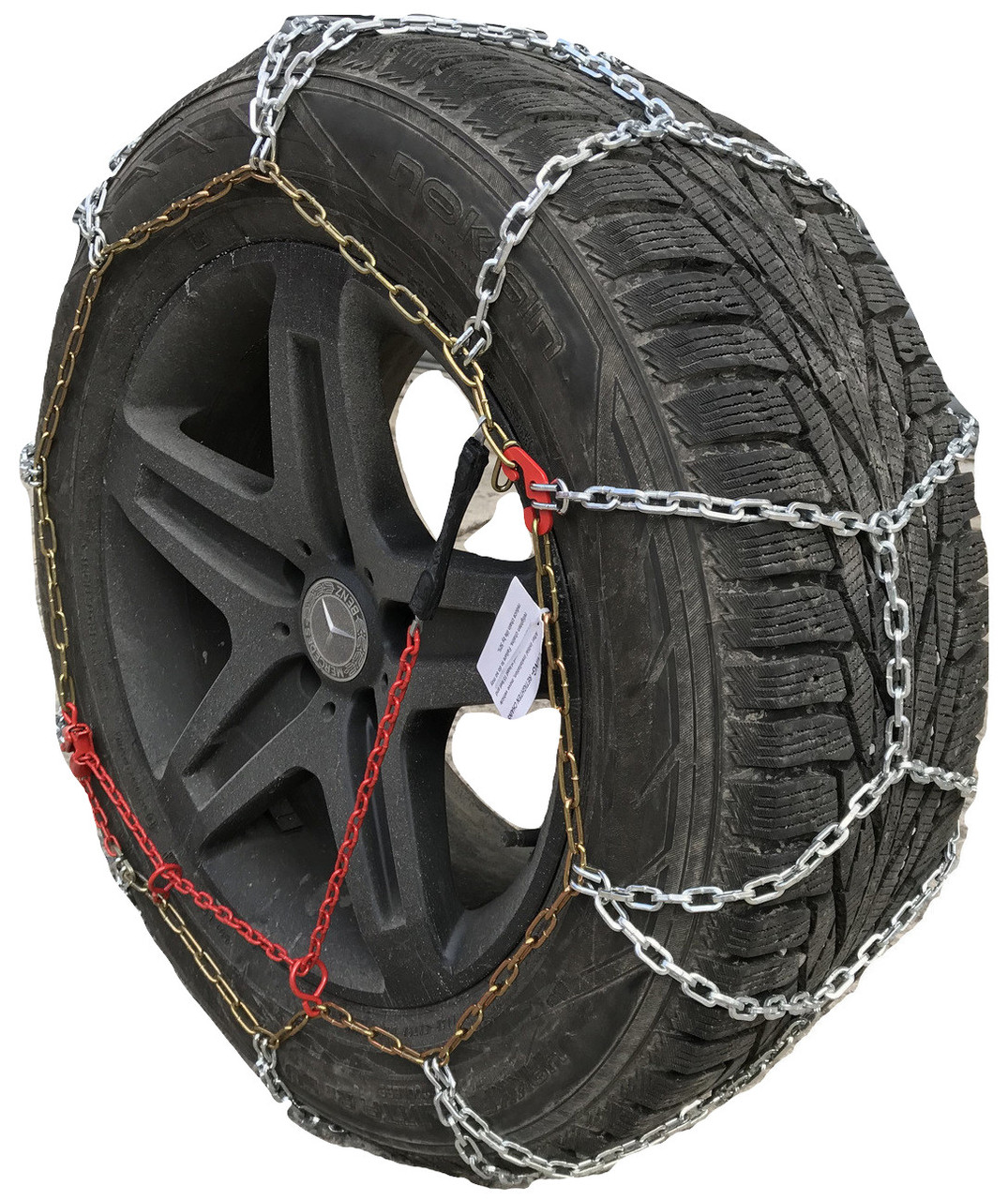 Diamond Tire Chains
- Easy Install
- 3.8mm, 4.5mm
- Ratchet, Automatic
- Tensioner
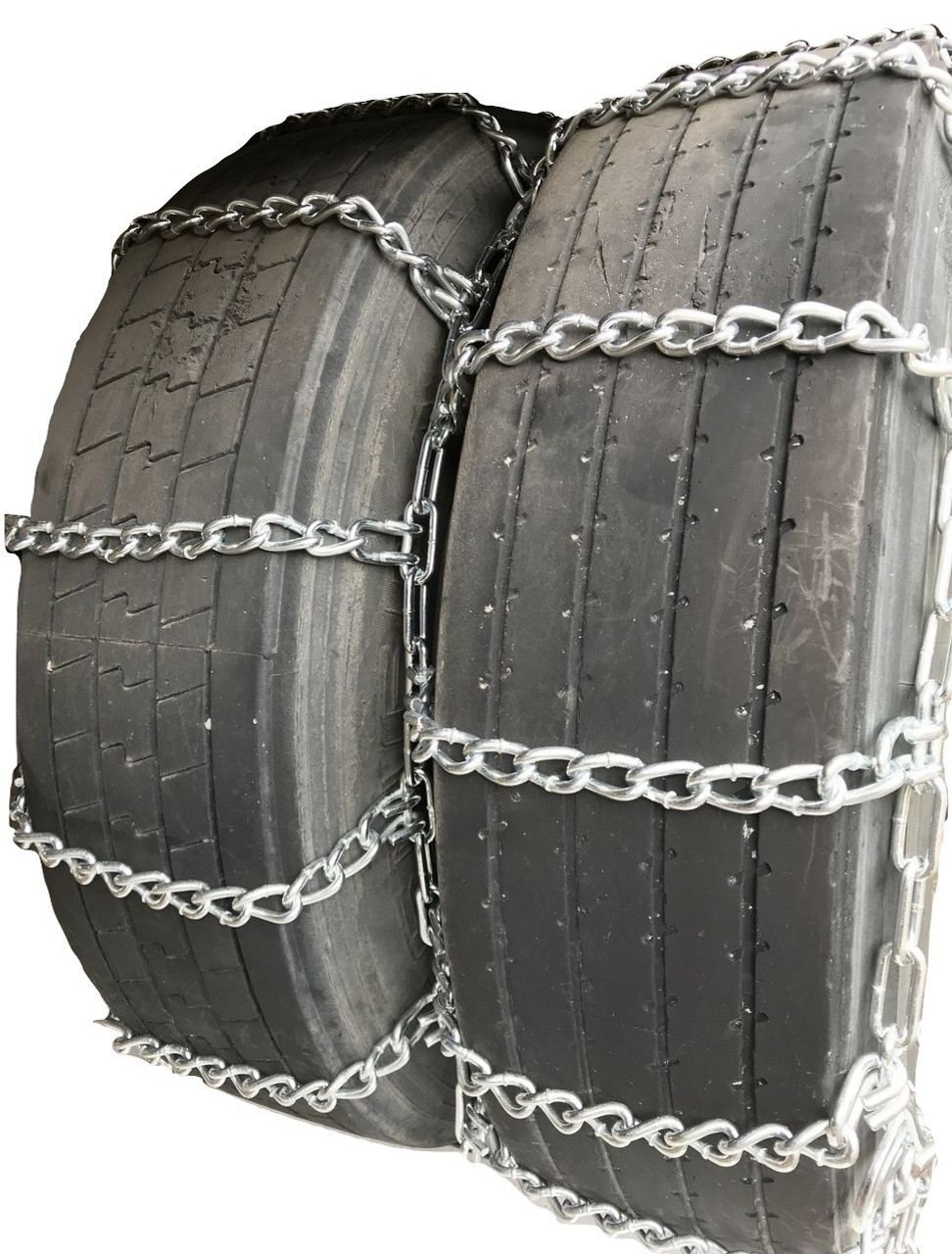 Dual Triple Tire Chains
- Triple Rail
- .234", 3/8"
- Cam, No Cam
- NACM, Boron
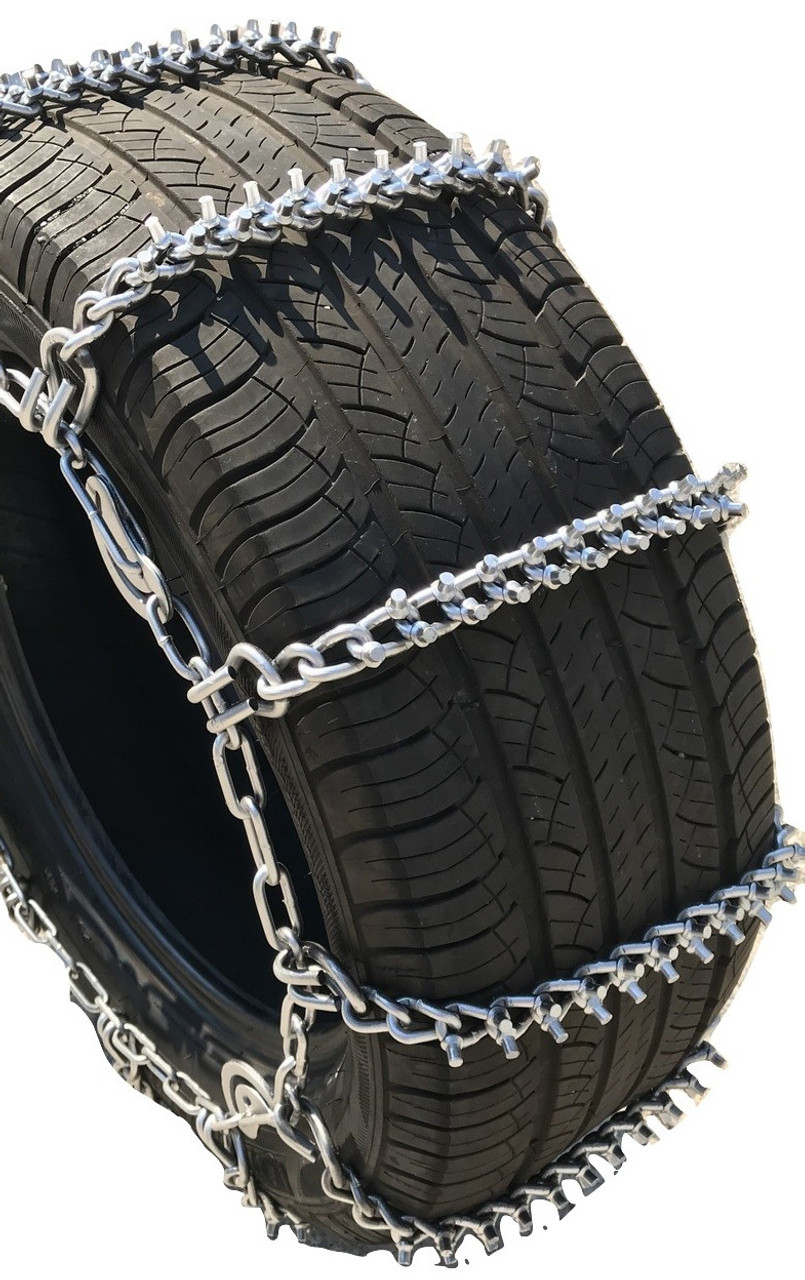 Studded Tire Chains
- Cam, Non Cam
- 4-Link
- .234", .281"
- Studded
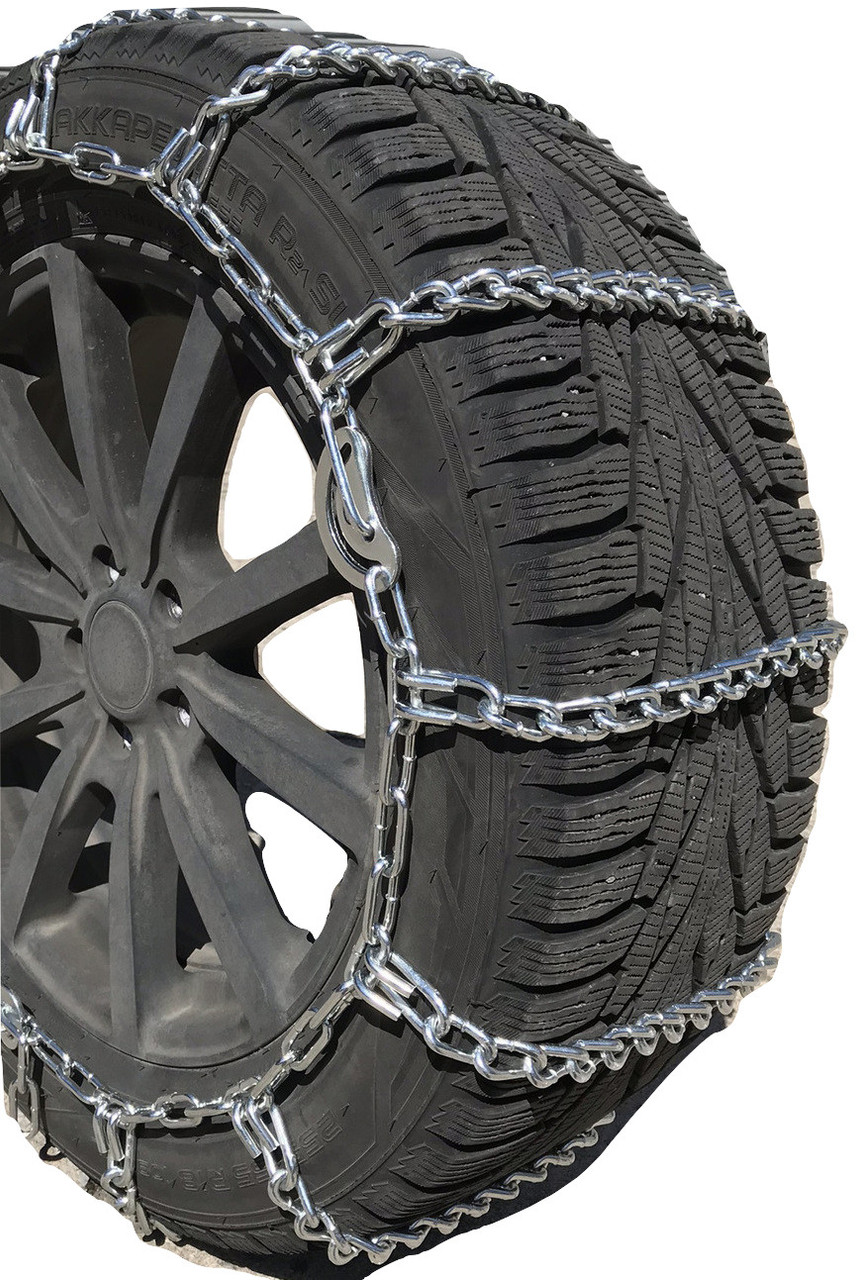 Link Tire Chains
- Cam, Non Cam
- V-Bar, Non V Bar
- .281", .234"
- 3/8", 5/16"
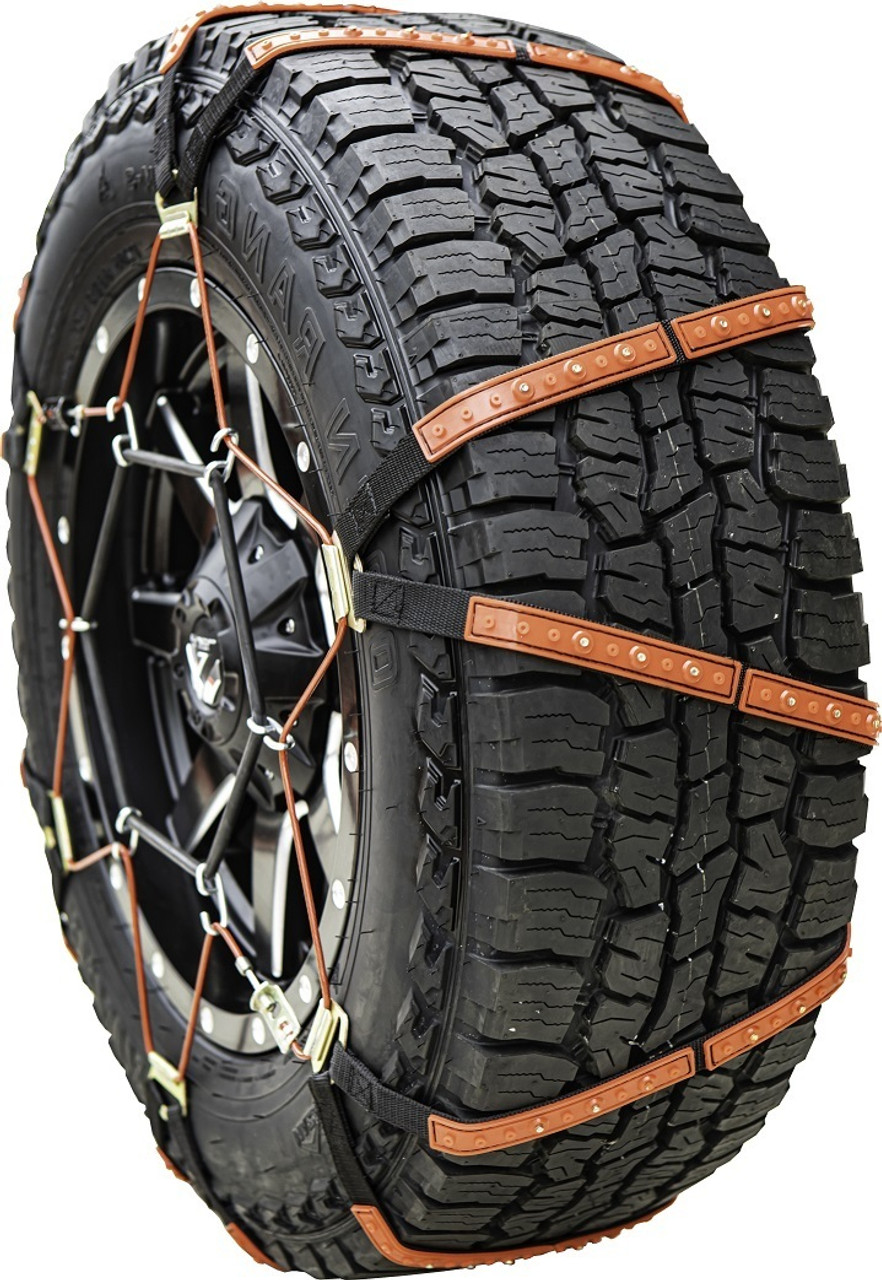 Alpha Trax Tire Chains
- Lightweight
- Easy Install
- Traction Pads
- Alloy Steel Studs
Truck & SUV Tire Chains
TireChain.com truck and SUV tire chains are sized to your tire (not your vehicle) and built for winter traction on snow, ice, and mountainous roads. Use the tire size search tool above to match your exact sidewall size (example: 265/70R17).
Quick Answer: Which Truck Tire Chains Should I Buy?
- Best all-around control (snow + turning + braking): Diamond tire chains
- Best for ice / steep grades: Studded / V-bar style chains
- Best value for occasional use: Twisted link chains or Square link chains
- Best for limited clearance (some vehicles): Cable tire chains
- Best for duals / commercial setups: Dual & triple tire chains
How Truck & SUV Tire Chains Work
Tire chains add mechanical “edges” that bite into packed snow and ice. The correct chain style improves traction for acceleration, braking, and steering—especially under load or when towing. For best results, match the chain type to your driving conditions and confirm you have enough inside wheelwell clearance.
Choose the Right Chain Type
Diamond Tire Chains (Best Overall Handling)
Diamond chains form a crisscross pattern over the tread for more continuous contact. This improves stability when turning and braking on packed snow and reduces the “ladder bounce” you feel with traditional cross-chain designs.
- Great for: snow-covered roads, mixed winter travel, frequent turning/braking
- Why buyers choose them: smooth ride feel + consistent traction
Studded / V-Bar Chains (Best for Ice Bite)
Studded or V-bar styles add aggressive traction points designed to bite into glare ice and hard-packed snow. These are a top choice for steep driveways, icy hills, and demanding winter work.
- Great for: ice, steep grades, frozen roads, extreme winter traction
- Tradeoff: can feel rougher and may be more aggressive on paved surfaces
Square Link vs. Twisted Link (Value vs. Performance)
Square link chains typically provide stronger biting edges and durability for heavier use. Twisted link chains are a popular value option for occasional winter driving and lighter-duty conditions.
Cable Tire Chains (For Some Low-Clearance Needs)
Cables can be a fit solution on certain vehicles where traditional chain links may not clear suspension or wheelwell components. Always confirm your owner’s manual and measure clearance before selecting.
Dual / Triple Chains (Dually & Commercial)
If you run dual rear wheels or commercial configurations, dual/triple sets are engineered to fit those setups and deliver traction under higher loads.
Shop Dual & Triple Tire Chains →
Most Popular Truck & SUV Tire Sizes
Explore our most popular tire chains for trucks and SUVs, organized by tire size. Click any size below to find chains sized for a precise fit.
How to Find Your Tire Size (Fast)
Look at the tire sidewall. Common formats include:
- Metric: 265/70R17, 245/75R16, 275/65R18
- LT sizes: LT265/70R17, LT285/70R17
- Flotation: 31x10.50-15, 35x12.50-17
Then use the tire size search fields above to find the exact matching chains.
Installation & Fit Tips (Avoid Common Problems)
- Practice once while dry: test fit in your driveway before the storm.
- Use tensioners/adjusters: they reduce chain slap and help maintain a centered fit.
- Re-tighten after driving: stop after ~50–100 yards and re-check tension.
- Check clearance: inside sidewall/suspension clearance matters as much as tread fit.
View Installation Instructions →
Chain Laws & Travel (What to Know)
Many states require chains (or approved traction devices) during storms and in mountainous areas. Requirements vary by state and by vehicle class. Always check local DOT alerts and carry chains when traveling in chain-control regions.
FAQs: Truck & SUV Tire Chains
Are tire chains sold in pairs?
Most truck/SUV tire chains are sold as a pair (two chains) so you can chain both tires on the same axle for balanced traction and control.
Should I put chains on the front or rear tires?
It depends on your drivetrain (FWD/RWD/4WD/AWD) and your vehicle manual. Many trucks place chains on the drive axle; some steering control benefits from front placement in certain setups. Always follow the manufacturer recommendation.
Will tire chains fit mud tires or Load Range E tires?
Yes—but mud-terrain tires and Load Range E tires require selecting the correct chain size. These tires have deeper lugs, squarer shoulders, and stiffer sidewalls than standard all-terrain or highway tires. Because of this, they may require a larger or different chain size than a regular-tread tire with the same labeled dimensions.
Always match chains to the exact tire size and tread type, confirm inside wheelwell and suspension clearance, and use proper tensioners to ensure a secure fit.
What’s best for frequent mountain driving?
Diamond chains are often preferred for stability and turning control; studded/V-bar options are preferred for maximum ice bite on steep grades.